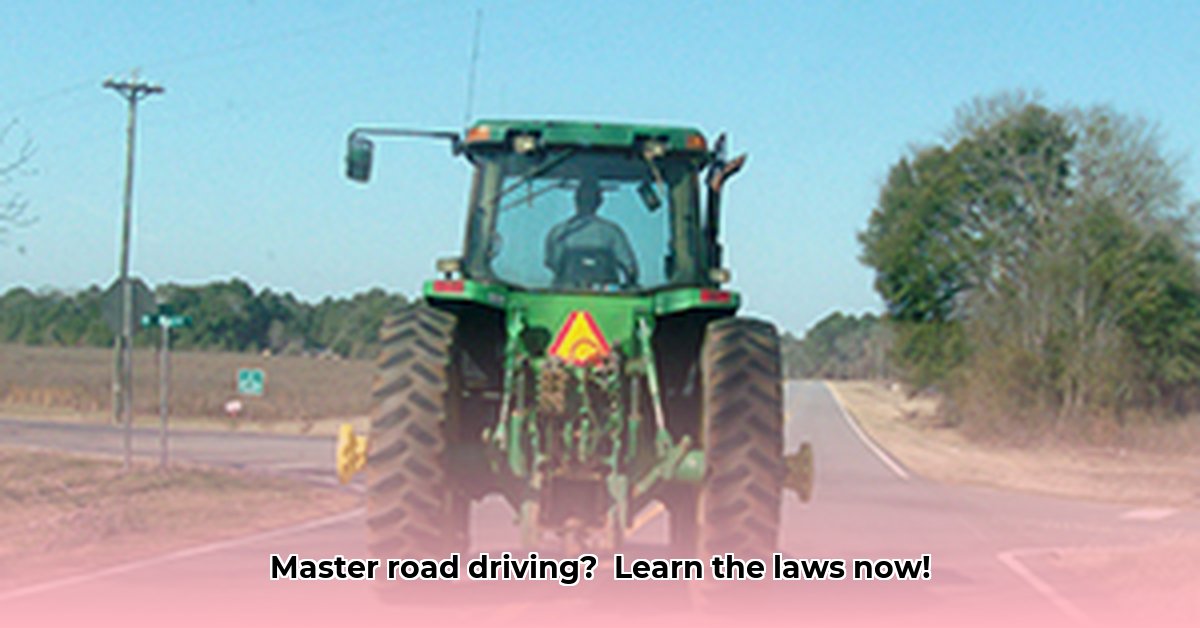
Understanding the Regulations: State-Specific Tractor Road Laws
Driving a tractor on public roads requires understanding and adhering to specific state regulations. These laws vary significantly, impacting licensing, lighting, speed limits, and the use of Slow-Moving Vehicle (SMV) emblems. Failure to comply can result in fines and, more importantly, accidents. This section details these key areas, highlighting the need for thorough research into your specific state's regulations. Don't rely on generalizations; always verify your state’s requirements. Isn't it worth the few minutes of research to ensure your safety and avoid potential legal issues? For more detailed instructions, see this helpful guide on tractor operation.
Key areas of state-specific regulations:
- Licensing: Most states require a standard driver's license, but some mandate additional endorsements or certifications for operating farm machinery on public roads. Check your state's Department of Motor Vehicles (DMV) website for specifics.
- SMV Emblems: These orange triangles are crucial safety devices that alert other drivers to your presence and slow speed. Their use is generally mandated.
- Lighting: Adequate lighting, including headlights, taillights, brake lights, and turn signals, is essential, especially at night. Requirements for intensity and placement vary by state.
- Speed Limits: Tractor speed limits are typically lower than those for cars, often significantly so. Always obey posted speed limits for farm vehicles.
Here’s a simplified comparison; however, always consult your state's DOT website for the most accurate information:
| State Feature | State A Example Requirements | State B Example Requirements | State C Example Requirements | Important Considerations |
|---|---|---|---|---|
| Driver's License | Standard license with farm equipment endorsement required. | Standard license sufficient. | Standard license; additional CDL endorsement for heavier tractors. | Check your state's DMV for specific license and endorsement requirements. |
| SMV Emblem | Required on all slow-moving vehicles. | Required on tractors and other farm equipment. | Required, with specific size and placement regulations. | Ensure your emblem is properly displayed, visible, and in good condition. |
| Lighting | Headlights, taillights, brake lights, turn signals required. | Similar lighting requirements; additional reflectors may be needed. | Specific requirements for light intensity and placement exist. | Maintain your lighting system; improperly functioning lights are a major safety hazard. |
| Speed Limits | 25 mph maximum on two-lane roads; lower on other roads. | 15 mph maximum on all roads except for designated highways. | Varies by road type and tractor weight. | Prioritize safe driving; maintain a speed appropriate to conditions, regardless of posted limits. |
Safe Tractor Operation Practices: Mastering Safe Driving Techniques
Operating a tractor on the road demands specialized driving skills. These practices go beyond simply adhering to traffic laws; they are crucial for preventing accidents and ensuring the safety of both the driver and other road users. Mastering these techniques will significantly improve your safety on the road. Did you know that proactive driving techniques can reduce accident rates by up to 30%?
1. Turning: Tractors require significantly more space to turn than cars. Plan turns well in advance, signal clearly, and execute wide turns to avoid obstacles.
2. Passing: Overtaking should only occur when ample space and visibility are available. Signal intentions clearly, and be prepared for other drivers who may not anticipate your slower speed.
3. Road Conditions: Adjust speed according to weather and road conditions. Reduce speed on curves, hills, and intersections, especially in wet, icy, or snowy conditions. Maintain a greater following distance than when driving a car.
4. Night Driving: Ensure all lights are functional. Drive slower and with greater caution. Use additional lighting if permitted by your state's regulations.
5. Sharing the Road: Be aware of other vehicles, anticipating their movements and providing ample space. Exercise extreme caution at intersections.
Maintaining Your Tractor for Road Safety: Preventative Maintenance
Regular maintenance is a primary aspect of tractor road safety. A well-maintained tractor is a safer tractor, minimizing the risks of mechanical failures that could lead to accidents. Proactive maintenance is far more cost-effective than emergency repairs following an accident. Have you scheduled your next tractor maintenance check?
1. Lights: Regularly inspect all lights for proper functionality and clean lenses for optimal visibility. Replace burned-out bulbs promptly.
2. Brakes: Perform regular brake inspections, replacing worn pads and addressing any issues immediately. Proper braking is critical for safe operation.
3. Tires: Maintain proper tire inflation for optimal stability and handling. Check tire pressure frequently and replace worn tires to prevent blowouts.
4. Signaling Devices: Ensure turn signals, brake lights, and hazard lights are in perfect working order. These are crucial for communicating your intentions to other drivers.
Insurance and Legal Considerations: Protecting Yourself
Adequate insurance coverage is essential to mitigate financial burdens in case of an accident or liability. Review your policy regularly to ensure it covers tractor operation on public roads. Furthermore, familiarize yourself with your state’s laws concerning liabilities and responsibilities following a tractor accident.
Resources and Further Information: Expanding Your Knowledge
Numerous resources provide valuable information on tractor road safety and state regulations.
- Your State's Department of Transportation (DOT): This is the definitive source for your state’s specific regulations.
- Agricultural Associations: Many agricultural organizations offer training and safety resources.
- Online Safety Resources: Several websites and forums dedicated to farm safety provide valuable information and best practices.
This guide provides a comprehensive overview; however, constant vigilance and continued education are key to safe tractor operation on public roads. Always prioritize safety–yours and that of others.